The Great Adventure of Transport — Topic Guide
Moving people and transporting goods are two fundamental human needs. Means of transportation have allowed peoples to migrate, trade, conquer territories, and exchange ideas. Every innovation, from the wheel to the jet engine, has shortened distances and profoundly transformed societies.
From Early Travel to the Wheel
For much of prehistory, humans travelled on foot and carried their own tools, food, and possessions. The domestication of oxen, donkeys, horses, camels, and reindeer gradually improved mobility.
The invention of the wheel, around the fourth millennium BCE, marked a decisive turning point. The first carts made it easier to transport crops, materials, and people. Their use, however, depended on the existence of suitable roads. In mountainous or desert regions, pack animals often remained more efficient for a long time.
Roads, Empires, and Trade
The earliest great civilizations quickly understood that roads were essential for trade, administration, and warfare. The Persians developed the Royal Road, while the Romans built a vast network linking the main cities of their empire.
These routes accelerated the movement of soldiers, messengers, and goods. They also encouraged the spread of languages, religions, and technologies.
Large trade networks emerged across Eurasia and Africa. The Silk Roads gradually connected China, Central Asia, the Middle East, and Europe. In Africa, trans-Saharan routes supported trade in gold, salt, and other goods.
Navigation and the Opening of the World
For centuries, rivers, lakes, and seas were the most efficient transportation routes. The Egyptians used the Nile, the Phoenicians sailed throughout the Mediterranean, the Vikings navigated the North Atlantic, and the Polynesians crossed the Pacific.
Maritime transportation made it possible to move much heavier loads than land transportation. It supported the growth of port cities and major trade networks.
Beginning in the fifteenth century, improvements in ships, maps, and navigational instruments made long ocean voyages possible. The Portuguese sailed around Africa, Christopher Columbus crossed the Atlantic, and Magellan’s expedition completed the first circumnavigation of the world.
These expeditions permanently connected the continents. They stimulated trade, but were also accompanied by conquest, colonization, epidemics, and the slave trade.
Canals and Waterways
Before the railway, waterways remained the least expensive way to transport heavy loads. Canals were dug to connect rivers, bypass obstacles, and supply cities.
China’s Grand Canal facilitated the transportation of grain for centuries. In Europe, canals played an important role in industrial growth by carrying coal, ore, and manufactured goods.
Two major projects later transformed global trade:
-
The Suez Canal, opened in 1869, connected the Mediterranean Sea to the Red Sea and shortened the route between Europe and Asia.
-
The Panama Canal, inaugurated in 1914, connected the Atlantic and Pacific oceans.
The Railway Revolution
During the nineteenth century, the steam engine transformed transportation. Trains could quickly carry large numbers of passengers, as well as coal, raw materials, and agricultural products.
Railways reshaped entire territories. Cities connected to the network often grew rapidly, while previously isolated regions gained access to new markets. Newspapers, mail, and food travelled more quickly. Travel became more accessible, and tourism began to develop.
Trains also required precise schedules, contributing to the standardization of time. Railway stations became important centres of urban life.
Transcontinental lines played a major role in the expansion of several countries. Their construction required bridges, tunnels, and viaducts, but also led to the displacement of populations and the exploitation of poorly protected workers.
Steamships and Mass Migration
Steam also transformed navigation. Ships were no longer entirely dependent on the wind and could follow more regular schedules. Iron and later steel hulls made it possible to build larger and stronger vessels.
During the nineteenth and early twentieth centuries, ocean liners carried millions of emigrants to the Americas. Steam-powered cargo ships also strengthened international trade by transporting raw materials and manufactured products on an unprecedented scale.
The Automobile and the Transformation of Cities
The first motor vehicles appeared at the end of the nineteenth century. Mass production made them far more affordable during the early twentieth century.
The automobile offered a new form of freedom. People could choose their route and schedule without depending on a railway line. Trucks also transformed the transportation of goods, especially over short and medium distances.
Governments built roads, bridges, tunnels, and highways. Suburbs expanded, businesses settled along major routes, and gas stations multiplied.
This transformation also came at a cost. Accidents, traffic congestion, pollution, and dependence on oil became major problems. In several cities, entire neighbourhoods were destroyed to make way for highways.
Urban Public Transportation
The rapid growth of cities led to the development of public transportation. Horse-drawn omnibuses were replaced by streetcars and later by electric transit systems.
The subway made it possible to transport large numbers of passengers without overcrowding city streets. The first underground railway opened in London in 1863. Other major cities gradually followed.
Buses, streetcars, commuter trains, and subways became essential to the operation of large urban areas.
The Conquest of the Air
The first crewed hot-air balloon flight was completed in 1783 by the Montgolfier brothers. In 1903, the Wright brothers achieved a controlled, powered flight. Aviation then progressed very quickly, especially during the two world wars.
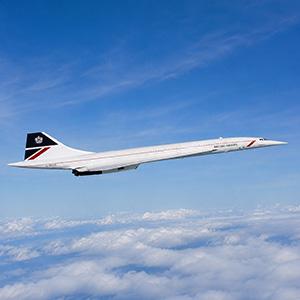
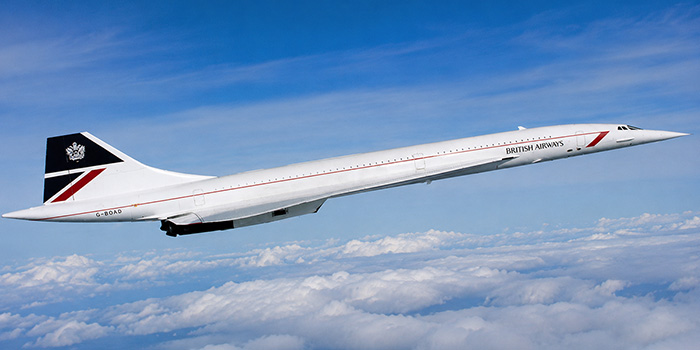
After 1945, air travel became increasingly common. Jet engines greatly reduced travel time. Crossings that once required several weeks by ship could now be completed in a few hours.
Aviation transformed tourism, trade, and international relations. It also made it possible to transport medicine, perishable goods, and mail quickly. However, it remains energy-intensive and contributes to greenhouse gas emissions.
Containerization and Globalization
During the twentieth century, the standardized shipping container revolutionized freight transportation. The same metal box could move from ship to train and then to truck without its contents being unloaded at every stage.
This innovation reduced costs, delays, and the risk of theft. It transformed ports, which acquired enormous cranes and specialized terminals.
Container ships made it possible to transport thousands of containers filled with clothing, vehicles, electronic devices, or food products. This system helped create a global economy based on vast and highly complex supply chains.
High-Speed Travel and New Networks
During the second half of the twentieth century, several countries developed high-speed rail. Japan introduced the Shinkansen in 1964, followed notably by France with the TGV.
These trains quickly connect city centres and compete with air travel over certain distances. They carry large numbers of passengers while using less space than highways. Their construction, however, requires major investment.
Air travel, railways, roads, and maritime shipping now form a vast interconnected system. Passengers and goods constantly move from one mode of transportation to another.
Transportation in the Twenty-First Century
Modern transportation must respond to several challenges, including urban congestion, pollution, dependence on fossil fuels, and climate change.
Electric vehicles are becoming increasingly common. They produce no exhaust emissions while being driven, but their overall environmental impact depends on how electricity is generated and how batteries are manufactured.
Other solutions are being developed or tested:
-
Electric or hydrogen-powered buses and trains.
-
Autonomous vehicles.
-
Shared bicycles and cars.
-
Delivery drones.
-
Cleaner fuels for aviation.
-
Magnetic levitation trains.
-
Commercial space transportation projects.
Many cities are also trying to reduce the role of the automobile by encouraging walking, cycling, and public transportation. These simple or long-established methods are therefore gaining renewed importance in the search for more sustainable mobility.
Quiz questions preview
-
Who was at the controls of the plane on its first powered flight in 1903?
Charles Lindbergh | Alberto Santos-Dumont | Orville Wright | Louis Blériot -
Why is Clément Ader's flight on the “Éole” not considered to be the first flight, even though it took off?
Too short distance | Lack of reliable witnesses | All of these answers | Limited control -
Which woman made the first solo flight across the Atlantic Ocean in 1932?
Amelia Earhart | Elly Beinhorn | Hélène Boucher | Amy Johnson -
Where did the first test flight of the Concorde supersonic aircraft take place on March 2, 1969?
London | Bristol | Le Bourget | Toulouse -
He flew 37,000 kilometers when he made the first non-stop solo flight around the world.
Steve Fossett | Bertrand Piccard | Dick Rutan | André Borschberg